
Identification Notes
EPPO CodeAMMBA |
Life CycleAnnual |
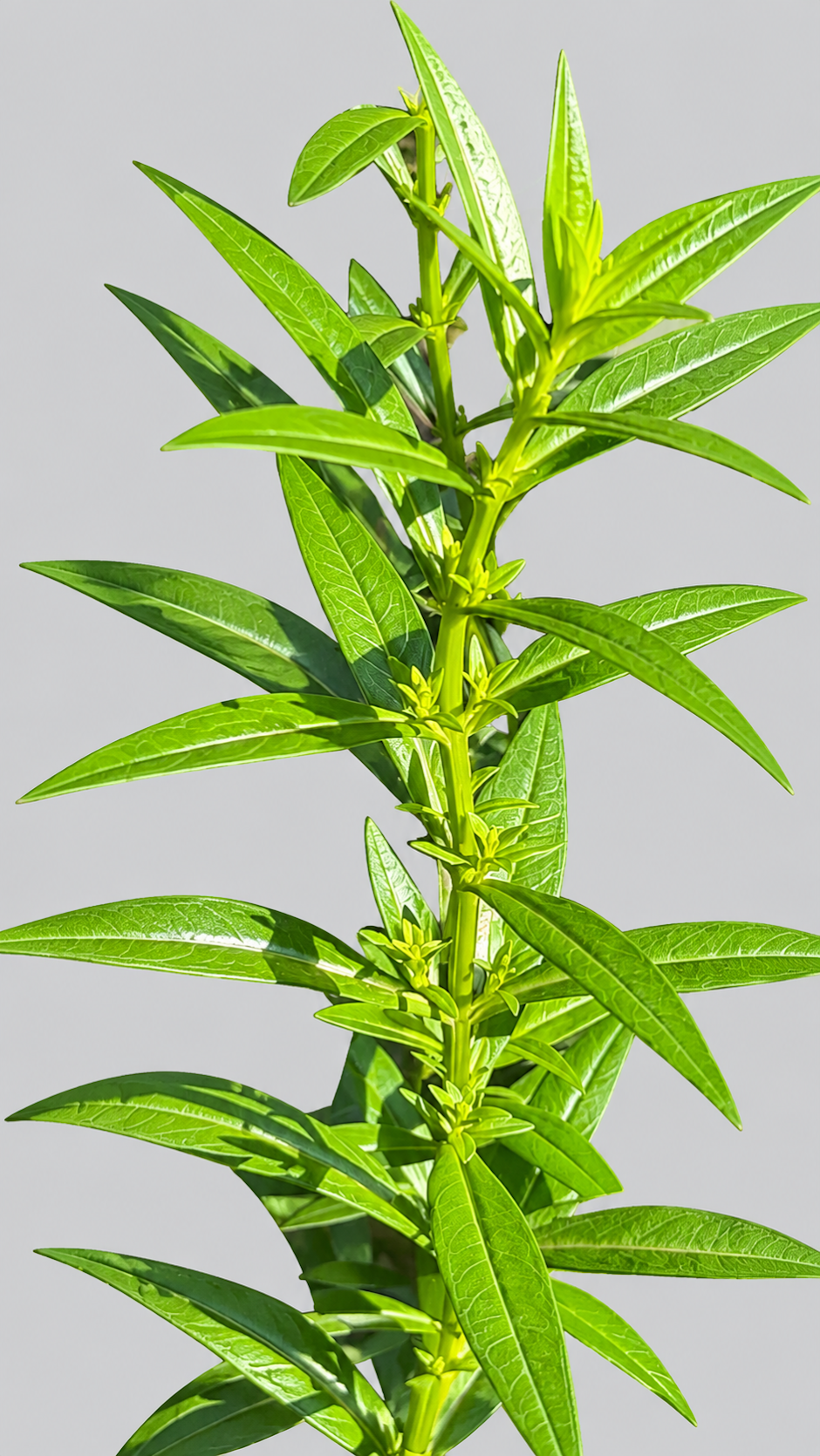
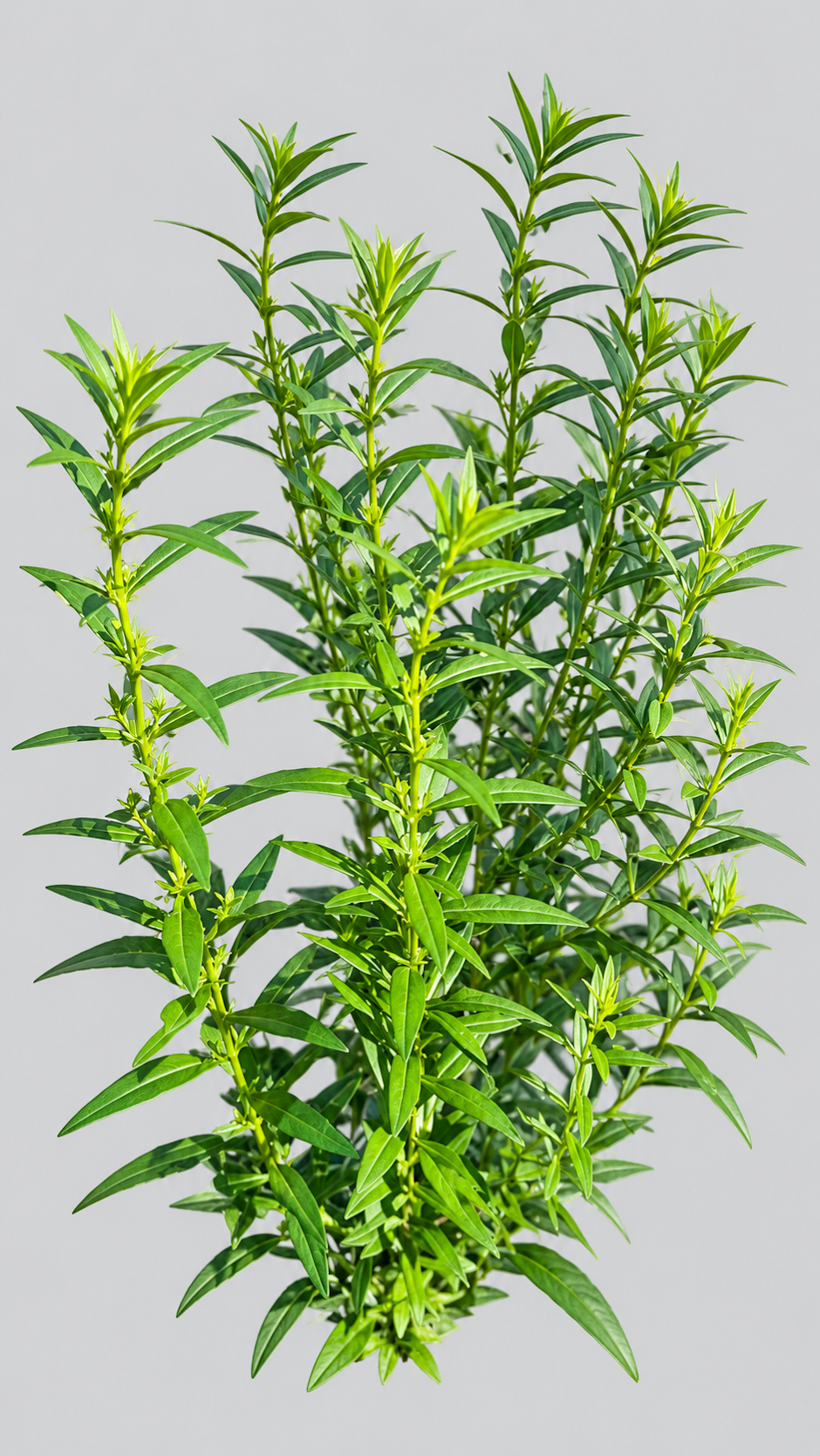
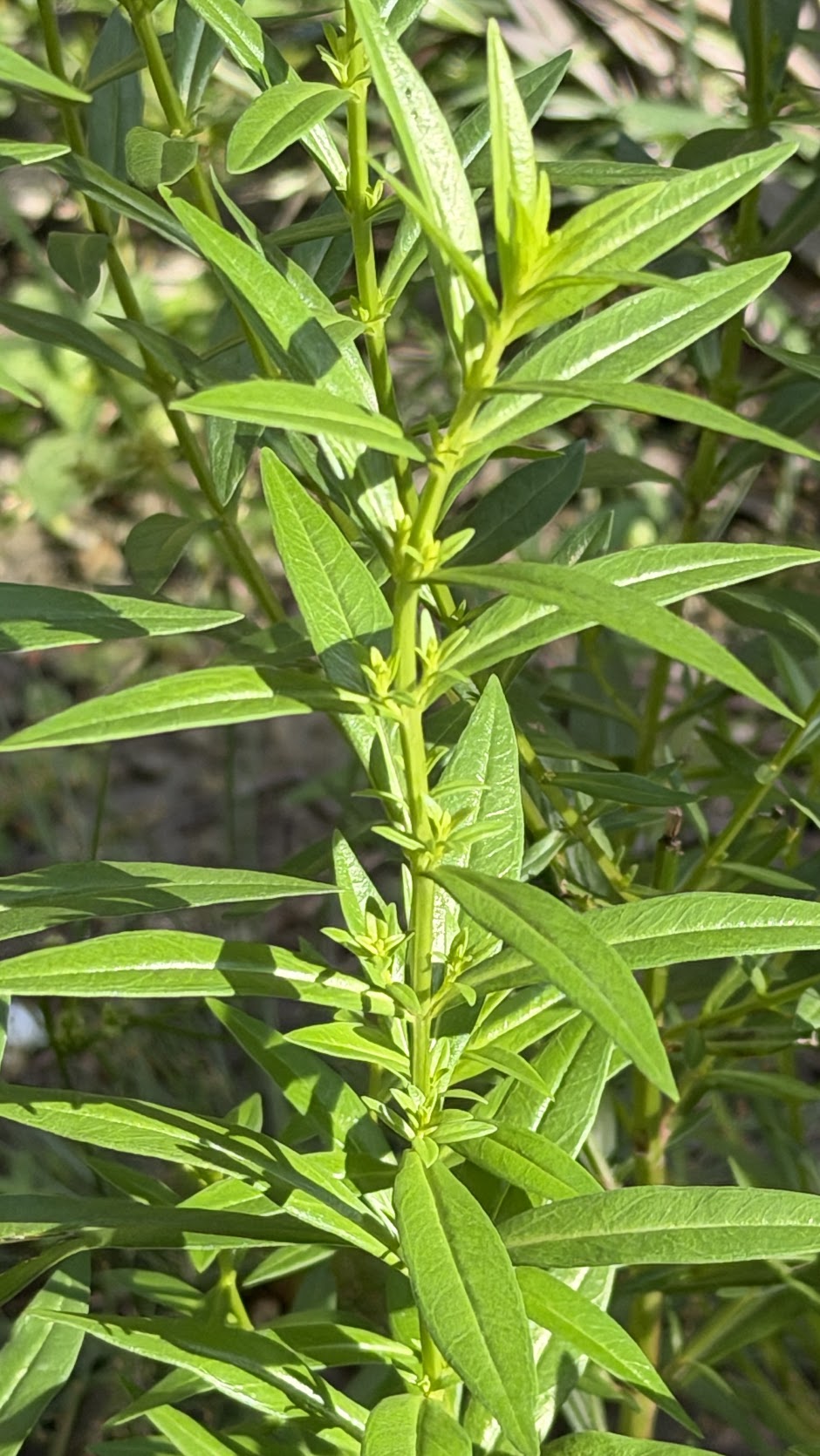
MorphologyErect, branched, smooth, slender, annual herb, found in open, damp, waste places. It is more or less purplish herb 10-50 cm in height, with somewhat 4-angled stems. The leaves are narrow-oblong, oblanceshaped, or narrowly elliptic, about 3.5 cm long - those on the branches very numerous, small, and 1-1.5 cm long – with narrowed base and pointed or somewhat rounded tip. The flowers are small, about 1.2 mm long, greenish or purplish, and borne in dense clusters in leaf axils. The capsules are nearly spherical, depressed, about 1.2 mm in diameter, purple. The seeds are black. The common name comes from the fact that the leaves are exceedingly acrid, irritant, and vesicant, and are being used by the village-folk to raise blisters, being applied to the skin for half an hour or a little longer. |
Growing seasonJune - December |
Germination periodJune - December |
Flowering periodSeptember and December |
PropagationBy Seed |
HabitatCommonly grows as an aggressive weed in lowland and wet rice paddy fields, especially during or after the monsoon season as water levels recede. Frequently found in natural marshes, swamps, and muddy ditches with standing or sluggish water. Inhabits moist banks of rivers, canals, ponds, and temporary pools. Prefers damp, silty, or clayey soils rich in moisture. |
Weed potentialPrimarily a weed of transplanted Aman (monsoon) and Boro (winter) rice fields. |
Control measureIntegrated Weed Management (IWM) combining preventative, mechanical, and chemical approaches. |
Recommended herbicidePretilachlor / Butachlor / Butachlor / Penoxsulam |
DistributionNative across tropical and subtropical Africa, Asia, and Australia; naturalized in regions like Spain and widely found as a common agricultural weed. |
Medicinal propertiesLeaf Paste: Applied externally to relieve rheumatic pain and skin conditions like eczema, ringworm, and parasitic infections. Plant Ashes: Mixed with oil and applied to cure herpetic eruptions (blistering skin conditions). Plant Powder: Administered orally in traditional practices to combat snakebites and scorpion stings. Vesicant Properties: The leaves are acrid and sharp; village folk historically used crushed fresh leaves as a rubefacient to raise skin blisters as a counter-irritant for deep-seated pain. |
References- |